QSR · FDD as of 2025 · reviewed July 2026
Little Caesars Franchise Cost (2026): Investment, Fees & ROI
Little Caesars' total investment runs $447,000-$1.8M, with a $20,000 fee, one of the lowest in pizza QSR, and a 13% combined royalty and ad fee.
$447,000–$1,800,000 total investment 6% royalty
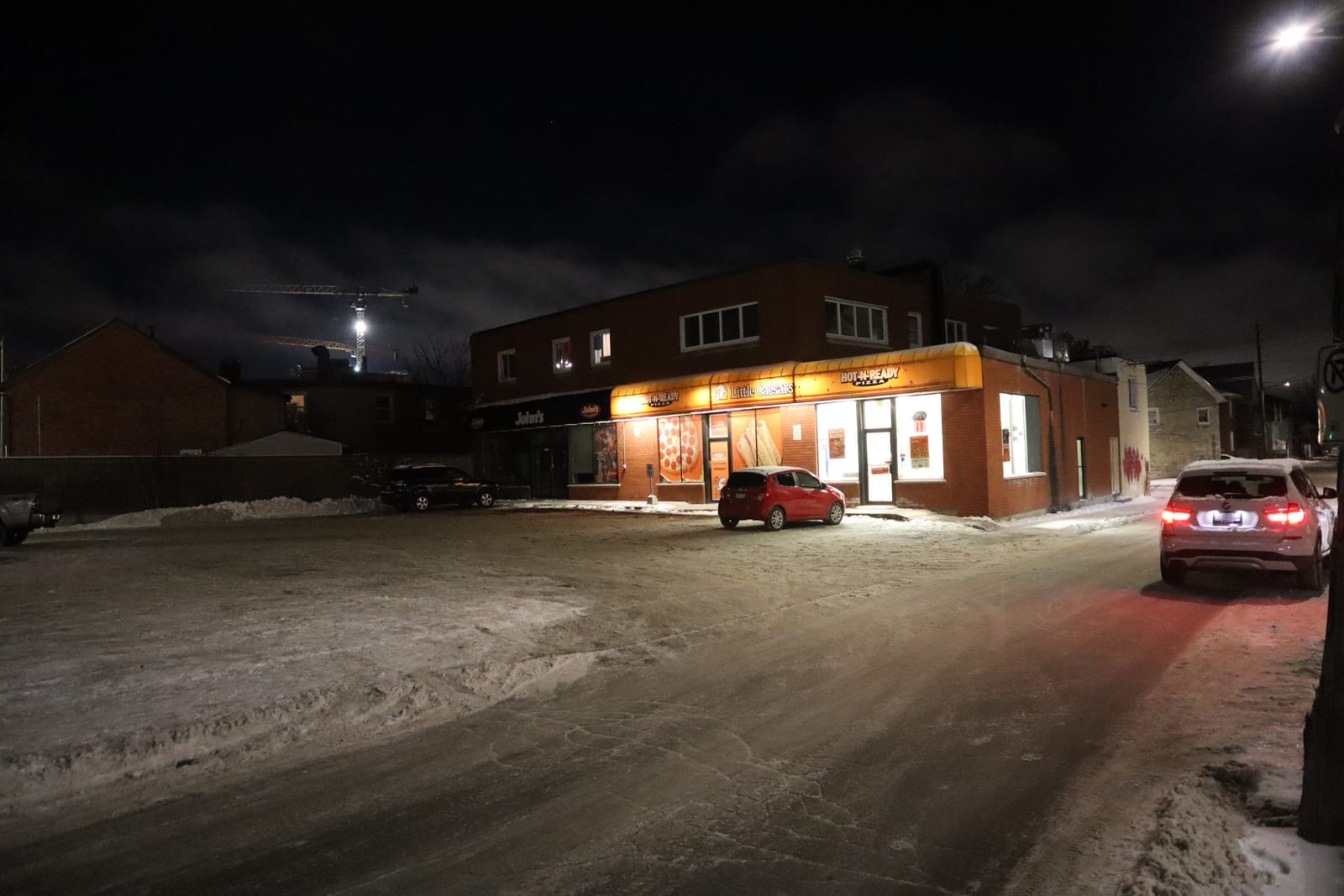
Little Caesars franchise cost, itemized
From Little Caesars' FDD, as of 2025. Every figure below traces to a specific FDD item.
Total initial investment (FDD Item 7)
$447,000–$1,800,000
The all-in range: franchise fee, build-out, equipment, inventory, and working capital.
- Franchise fee Item 5
- $20,000
- Ongoing royalty Item 6
- 6% of gross sales
- Ad / marketing fund Item 6
- 7% of gross sales
Figures from the 2025 FDD or the franchisor's current disclosure. Paraphrased from public filings, not reproduced verbatim. Your actual cost will vary by market, real estate, and build-out condition.
Is a Little Caesars franchise worth it?
Little Caesars does not publish unit-level revenue. Item 19 of its FDD (Financial Performance Representations) is optional under FTC franchise rules, and many franchisors, Little Caesars included as of the 2025 FDD, choose not to disclose one. That means there is no honest revenue or ROI number to report here, and anyone who gives you one is guessing or cherry-picking.
The workaround real buyers use: ask the franchisor for its Item 20 list of existing franchisees, then call at least five current owners directly and ask what they actually made last year, after royalties. That's the only reliable Item 19 substitute.
A Little Caesars runs $447,000 to $1.8 million all-in, per the FDD. The franchise fee is $20,000 of that, one of the cheapest entry tickets in pizza QSR, and it is the least interesting number in the deal.
What isn’t cheap is the equipment you’re required to buy. The Blue Line package (the branded Caesar Vision oven system, dough process equipment, Pizza Portal order hardware, and digital menu boards) runs $250,500 to $369,500 on its own, the single largest line item in the total investment. That one line costs more than twelve times the fee everybody quotes.
Mike and Marian Ilitch opened the first Little Caesars in Garden City, Michigan, in 1959, and the brand’s entire modern identity traces back to a strategic bet the company made decades later: instead of competing on delivery speed and toppings the way Domino’s and Pizza Hut did, Little Caesars went all-in on a $5 pizza you could walk in and grab already made. “Hot-N-Ready” wasn’t a promotion, it became the operating model, and it’s why the franchise agreement requires the specific equipment package it does. You’re not licensed to make pizza your own way; you’re licensed to run the Hot-N-Ready production line the way Little Caesars has engineered it. Today the chain operates in more than 30 countries and territories and is generally cited as the third-largest pizza chain in the world by unit count, behind Domino’s and Pizza Hut.

That equipment isn’t optional. The “Hot-N-Ready” fast-turnaround system depends on that specific hardware running the same way at every location, which is what you’re really buying: a standardized production line with a brand on the door. The equipment cost reflects that.
Inside that $447,000-to-$1.8M range, leasehold improvements alone add $50,000 to as much as $1,000,000 depending on the site, which is most of what separates the bottom of the range from the top. Franchise aggregators tracking the FDD’s financial-qualification section put the bar at roughly $400,000 net worth, with at least $200,000 of that in liquid capital, well below what a Taco Bell or McDonald’s requires and consistent with Little Caesars’ positioning as an accessible entry point for a single-unit operator rather than a private-equity-backed restaurant group.
The ongoing fee is heavier than the low entry fee suggests
6% royalty plus a 7% advertising contribution comes to 13% combined, one of the higher ongoing burdens among the brands on this list, more than Subway’s already-high 12.5% and nearly double McDonald’s 8%. The low $20,000 entry fee and the heavy 13% ongoing load are two sides of the same strategy: get franchisees in the door cheaply, then collect more on the back end for the life of the agreement.
That trade only pencils out if volume is high and margins are thin-but-consistent, which is exactly the bet the Hot-N-Ready model makes. A $5-$6 pizza carries a much smaller absolute royalty dollar-for-dollar than a $12 specialty pie, so Little Caesars leans harder on transaction count than on ticket size. Third-party estimates built from FDD filings put average unit volume for a U.S. Little Caesars location at roughly $980,000 a year, though that figure comes from outside analysis, not an official Item 19 disclosure, so treat it as directional rather than a guarantee for any specific site.
Is a Little Caesars franchise worth it?
Little Caesars’ low headline fee makes it look like one of the cheapest brands on this list, and the total investment range is genuinely more accessible than several competitors. But the required equipment package and the 13% combined ongoing fee mean the real cost of doing business here is higher than the entry number implies. Run the full math, equipment plus ongoing fees plus real estate for your specific market, before comparing this fee to a competitor’s headline number.

Little Caesars also isn’t known for a standardized, public Item 19 revenue disclosure the way some competitors publish one. If unit economics are going to drive your decision, and they should, request the Item 20 franchisee list and call current owners directly rather than taking anyone’s word for what a store actually nets.
The financial-qualification bar (roughly $400,000 net worth, $200,000 liquid) is also worth weighing against the brand’s own economics: it’s a lower bar than most QSR chains set, which means Little Caesars is genuinely reachable for a first-time single-unit buyer in a way Taco Bell or Chick-fil-A’s selection process isn’t. Whether that accessibility is worth the 13% ongoing bite and the Blue Line equipment mandate depends on how confident you are in your specific site’s Hot-N-Ready transaction volume, since that’s the number the whole model is built to maximize.
Set against its two closest national pizza competitors, Little Caesars’ numbers land in an odd middle spot rather than clearly ahead or behind. Domino’s total investment runs roughly $156,000 to $744,000, meaningfully cheaper than Little Caesars’ $447,000-$1.8 million range, with a lighter combined royalty-and-ad-fund rate around 11.5% against Little Caesars’ 13%, and a much lower qualification bar ($250,000 net worth, $75,000 liquid). Papa John’s, by contrast, actually requires more capital to qualify ($750,000 net worth, $200,000 cash) despite a similar 13% combined ongoing rate. In that lineup, Little Caesars isn’t the cheapest way into pizza franchising, Domino’s is, but its financial-qualification bar is closer to Domino’s than to Papa John’s, while its total investment ceiling runs higher than either. The honest takeaway: if minimizing entry capital is the priority, get Domino’s real numbers before assuming Little Caesars’ low fee makes it automatically the cheaper path.
Curious how Little Caesars stacks up against another brand you're considering? Compare it side by side against up to three other franchises.