Fitness · FDD as of 2025 · reviewed July 2026
Planet Fitness Franchise Cost (2026): Investment, Fees & ROI
Planet Fitness's total investment runs $1.53M-$5.22M, with a $20,000 fee and a disclosed $1.87M average unit volume across 2,298 franchised clubs.
$1,525,000–$5,221,500 total investment 7% royalty
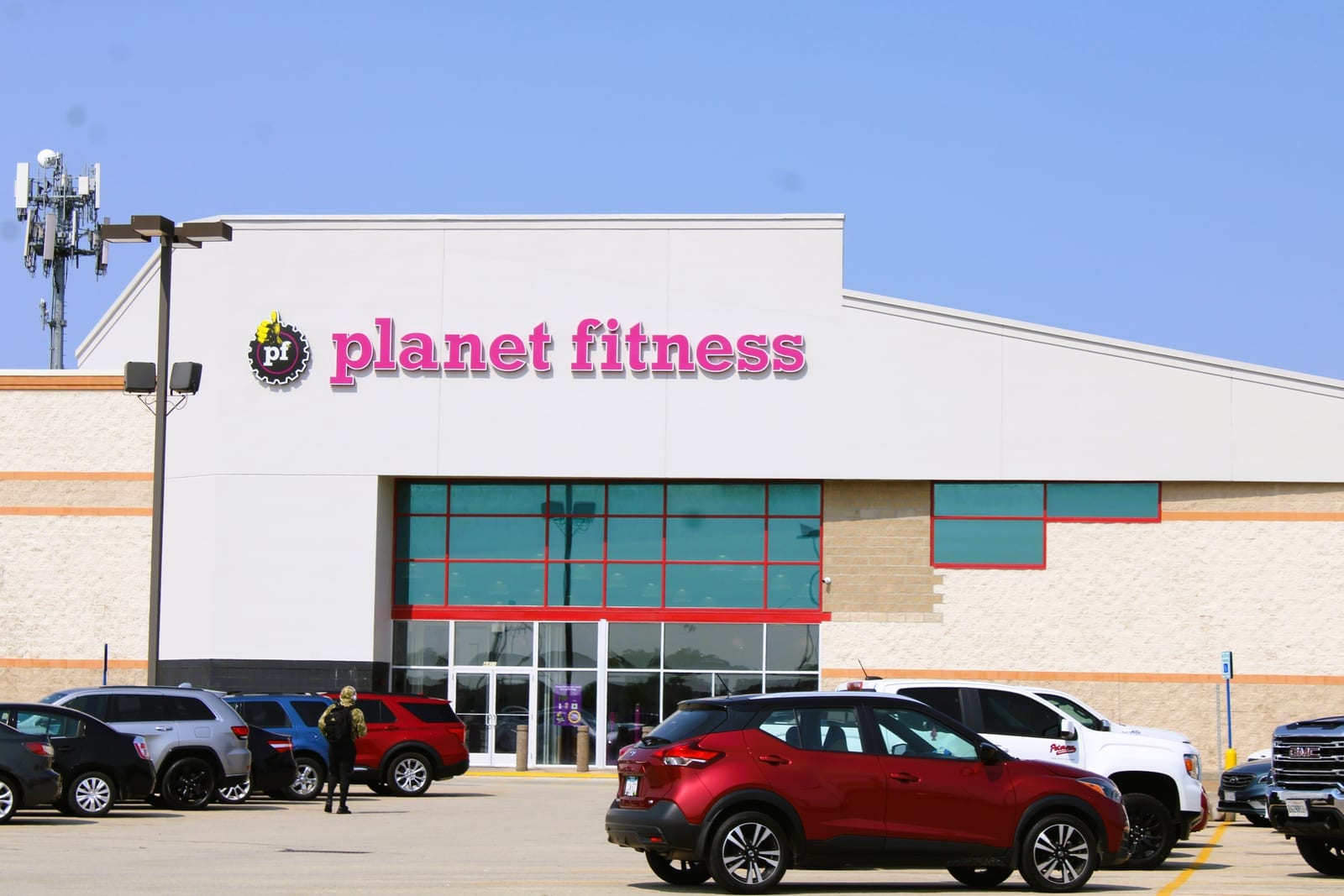
Planet Fitness franchise cost, itemized
From Planet Fitness' FDD, as of 2025. Every figure below traces to a specific FDD item.
Total initial investment (FDD Item 7)
$1,525,000–$5,221,500
The all-in range: franchise fee, build-out, equipment, inventory, and working capital.
- Franchise fee Item 5
- $20,000
- Ongoing royalty Item 6
- 7% of gross sales
- Ad / marketing fund Item 6
- 2.5% of gross sales
- Liquid capital required
- $1,500,000 minimum
- Net worth required
- $3,000,000 minimum
Figures from the 2025 FDD or the franchisor's current disclosure. Paraphrased from public filings, not reproduced verbatim. Your actual cost will vary by market, real estate, and build-out condition.
Is a Planet Fitness franchise worth it?
Average unit revenue (FDD Item 19)
$1,873,895/year
After royalty + ad fund (9.5%)
~$1,695,875/year
Rough payback read
~2.0 years
This is a rough scale, not a profit estimate. It divides the mid-point investment by revenue left after royalty and ad fund, with no deduction for labor, food or supply cost, rent, insurance, or debt service. Real net margin at a Planet Fitness location typically runs well below top-line revenue. Ask any franchisee candidate list the franchisor provides for their actual profit-and-loss numbers before you sign anything. Figures as of the 2025 FDD.
2,298 units operating (Item 20, 2025 FDD), a rough health signal: steady or growing counts suggest the model is working for existing owners.
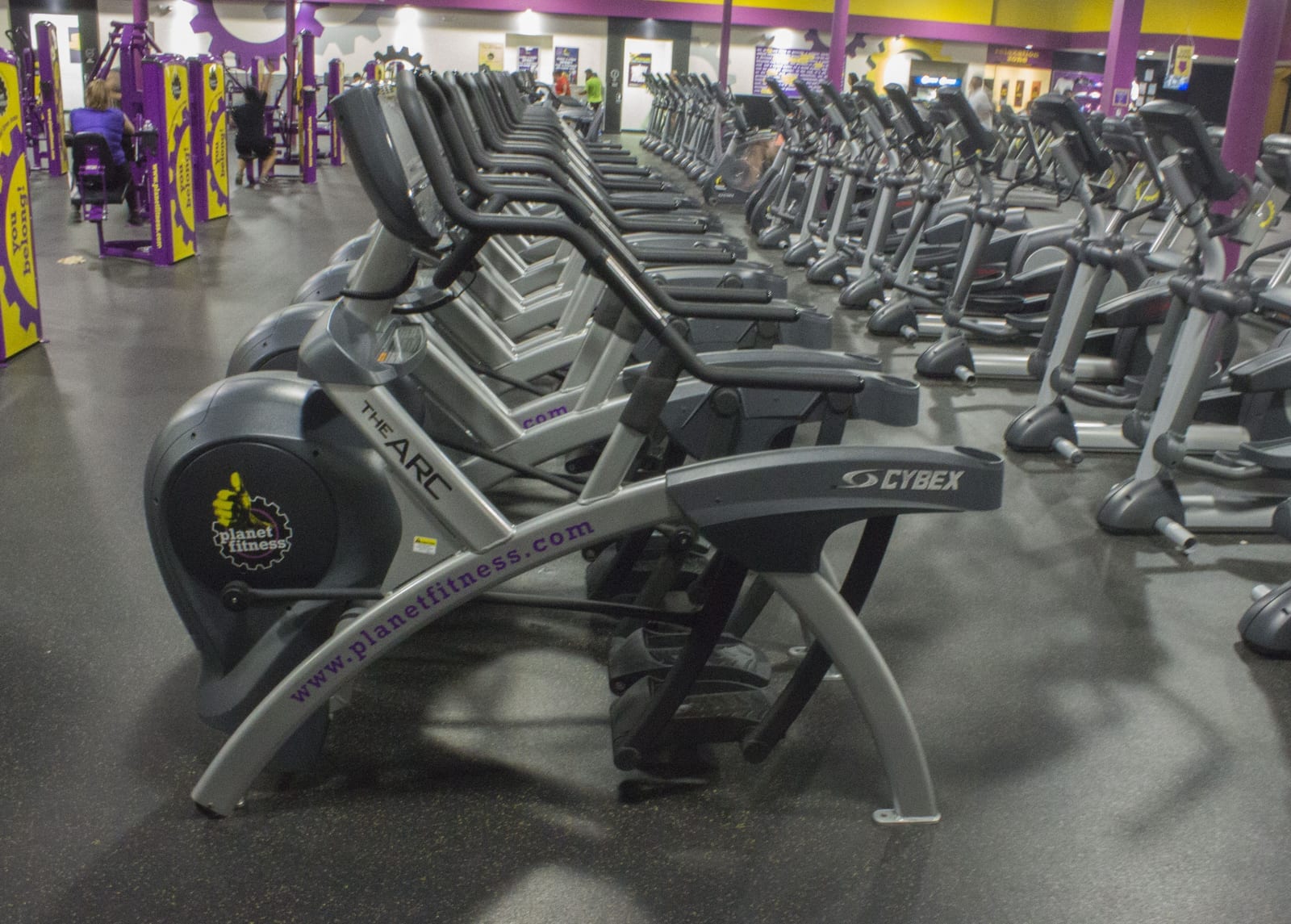
Planet Fitness runs a large-format, high-volume gym model under its trademarked “Judgement Free Zone” banner, and the $1,525,000 to $5,221,500 investment range reflects that scale: typical locations run 15,000 to 20,000 square feet, filled with a full cardio and strength equipment package, well beyond what a boutique studio format needs.
The financial bar, and who’s actually buying in right now
Planet Fitness sets its net worth requirement at $3,000,000, with $1,500,000 of that in liquid capital, by far the highest qualification bar of any franchise covered on this site. That’s not a first-time-buyer number; it’s a bar built for existing multi-unit operators and private equity-backed franchise groups, and the ownership landscape reflects it. Multi-unit specialists like Flynn Group (which also runs large Applebee’s, Taco Bell, and Wendy’s portfolios) have been active acquirers of Planet Fitness territory in recent periods, consolidating clubs that would once have been individually owned.
Worth stating plainly before you get further into the numbers: multiple franchise-data trackers report that Planet Fitness is not currently accepting new franchise candidates for U.S. territory, with its active development focus on international markets, including a 2026 development agreement covering new clubs in Tijuana and Mexicali, Mexico. If you’re a first-time individual buyer researching this brand for a U.S. location, confirm directly with Planet Fitness franchise development whether new domestic territory is actually available before spending real time on the rest of this math; the FDD figures below remain accurate for evaluating the system, but “is it worth it” and “can I actually buy one” are two different questions right now.
The membership math behind the fee structure
Planet Fitness built its brand on a famously low membership price, historically in the $10-$25 a month range depending on tier, a stark contrast to boutique studios charging $150-$250 monthly. That low price point only works at real scale: high member counts per location, low staff-to-member ratios, and a self-service gym floor with minimal class programming overhead. The 7% royalty plus 2-3% ad fund is calculated against that high-volume revenue base, not against a boutique studio’s smaller, higher-margin-per-member model.
What the disclosure actually shows
Across roughly 2,298 franchised U.S. clubs, Planet Fitness reports an average unit volume around $1.87 million and a median closer to $1.79 million. That’s a large enough sample size, over two thousand locations, to be a genuinely useful system-wide benchmark, more reliable than a disclosure based on a handful of locations.
Franchise-data trackers reading the same FDD estimate owner-operator earnings in the $215,363-$269,204 range annually, but the number that actually matters for a capital-planning decision is payback: an estimated 14.9 to 16.9 years to recoup the initial investment. That’s dramatically longer than the payback windows disclosed or estimated for smaller-footprint brands like The UPS Store (5-8 years) or Popeyes (5-8 years, on the low end), and it’s the direct consequence of Planet Fitness’s real estate and equipment-heavy model: you’re recovering a $1.5-5.2 million investment out of membership dues priced deliberately low, so the math takes real estate cycles, not just operating years, to pencil out.

Is a Planet Fitness franchise worth it?
Planet Fitness’s investment is substantial, on the higher end of the fitness category covered here, but it comes with one of the largest, most mature U.S. franchise networks in fitness and a real, large-sample revenue disclosure to evaluate against. The model depends on real estate cost and local membership density working in your favor; a location in an oversaturated metro competing against several existing Planet Fitness clubs faces a very different math than one filling a genuine gap in an underserved market.
Put the three factors together, a 15-to-17-year payback window, a $3 million net worth bar, and a domestic pipeline that currently favors existing large operators over new individual applicants, and Planet Fitness reads less like an entry-level franchise pick and more like an asset-class decision for an established multi-unit group with a long investment horizon. The brand’s fundamentals are strong. This is a question of who the opportunity is built for in 2026, and right now that isn’t a first-timer.

Curious how Planet Fitness stacks up against another brand you're considering? Compare it side by side against up to three other franchises.