Coffee & Dessert · FDD as of 2025 · reviewed July 2026
Smoothie King Franchise Cost (2026): Investment, Fees & ROI
Smoothie King runs $311,601-$1.38M all-in, and the format decides where you land: inline vs free-standing drive-thru. Plus a $25,000 fee and 9% ongoing.
$311,601–$1,379,150 total investment 6% royalty
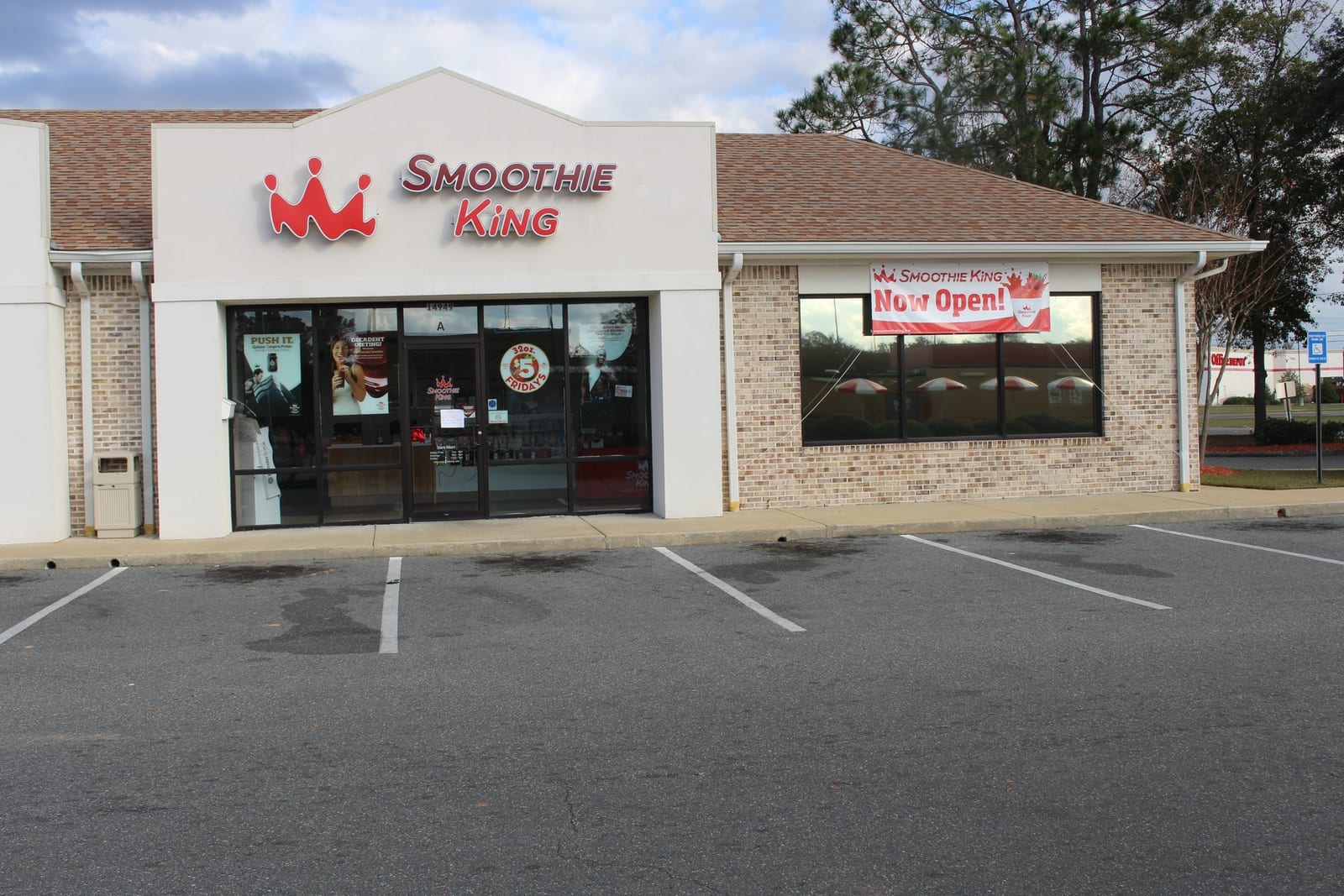
Smoothie King franchise cost, itemized
From Smoothie King's FDD, as of 2025. Every figure below traces to a specific FDD item.
Total initial investment (FDD Item 7)
$311,601–$1,379,150
The all-in range: franchise fee, build-out, equipment, inventory, and working capital.
- Franchise fee Item 5
- $25,000 $25,000-$30,000 for traditional locations; $15,000 for non-traditional formats.
- Ongoing royalty Item 6
- 6% of gross sales
- Ad / marketing fund Item 6
- 3% of gross sales
- Liquid capital required
- $100,000 minimum
- Net worth required
- $300,000 minimum
Figures from the 2025 FDD or the franchisor's current disclosure. Paraphrased from public filings, not reproduced verbatim. Your actual cost will vary by market, real estate, and build-out condition.
Is a Smoothie King franchise worth it?
Smoothie King does not publish unit-level revenue. Item 19 of its FDD (Financial Performance Representations) is optional under FTC franchise rules, and many franchisors, Smoothie King included as of the 2025 FDD, choose not to disclose one. That means there is no honest revenue or ROI number to report here, and anyone who gives you one is guessing or cherry-picking.
The workaround real buyers use: ask the franchisor for its Item 20 list of existing franchisees, then call at least five current owners directly and ask what they actually made last year, after royalties. That's the only reliable Item 19 substitute.
Smoothie King’s investment range splits sharply by format, and that split matters more here than at most brands on this list. An endcap or inline location, renting space inside an existing shopping center, runs $311,601 to $638,465. A free-standing location with its own drive-thru lane costs $762,400 to $1,379,150, more than double the inline format’s low end.
That gap isn’t a rounding difference. It’s the cost of owning or ground-leasing real estate and building a standalone structure with drive-thru capability, versus renting finished retail space and doing a lighter interior buildout. Smoothie King has pushed harder into the drive-thru format in recent years because it captures more volume per location, but it means the “how much does Smoothie King cost” answer genuinely depends on which business you’re asking about.
What does Smoothie King take off the top?
6% royalty (with a $500-a-month minimum, so it doesn’t drop below that floor even in a slow month) plus 3% into the national advertising fund, 9% combined in most markets, a moderate rate for the smoothie and juice category, lighter than most full-service QSR brands’ combined royalty-and-ad burden. Worth checking in your specific territory, though: Smoothie King layers on an additional 2% local marketing requirement in markets that don’t have an established regional marketing fund, which can push the real combined number to 11% for a franchisee in a newer or less-developed territory.
The financial bar to qualify is a $300,000-$350,000 net worth and $100,000-$150,000 in liquid capital, with a stated minimum credit score around 700, roughly in line with Jersey Mike’s and meaningfully lower than what Wingstop or Popeyes ask for.
What drives the rest of the cost
Beyond the franchise fee ($25,000-$30,000 for traditional locations, $15,000 for non-traditional formats), expect three months of rent and deposits ($5,001-$30,000), technology systems ($9,100-$12,215), a grand opening marketing spend (minimum $15,000), and startup inventory ($12,000-$16,000). None of those are optional line items; they’re baked into the total range.

What the company itself discloses about performance
Smoothie King’s own franchising site reports that the top 50% of its traditional franchised units averaged roughly $827,000 in gross sales for the calendar year ending December 29, 2025. Read that figure precisely: it describes the better-performing half of the system, not a system-wide average, so it’s a ceiling-side data point rather than a typical-unit expectation. Still, it’s genuine, company-published performance data in a brand that otherwise doesn’t publish a formal Item 19 average unit volume, and it’s a real signal that a well-run traditional Smoothie King can clear the $700,000-$800,000-plus range.
The company also reports 201 multi-unit franchisees operating an average of 4.15 stores each, with individual multi-unit portfolios ranging from 2 up to 37 stores. That’s a healthy sign for system stability: a brand where operators who already know the business keep buying more units is generally a brand where the unit economics work well enough to reinvest in.
Is a Smoothie King franchise worth it?
If you’re comparing Smoothie King’s headline investment range against a competitor, first confirm which format you’re both quoting. The inline format is one of the more accessible entries in the coffee-and-dessert category; the drive-thru format is a meaningfully bigger commitment, closer in scale to a small QSR restaurant. Decide which business you actually want to run before comparing numbers.
The $300,000 net worth bar and the healthy multi-unit franchisee base make this one of the more approachable brands on this list for someone who wants to start with one inline location and prove the model before expanding, rather than being forced into a large single-unit bet on day one the way a Planet Fitness or a UFC Gym Signature build effectively requires.
Curious how Smoothie King stacks up against another brand you're considering? Compare it side by side against up to three other franchises.